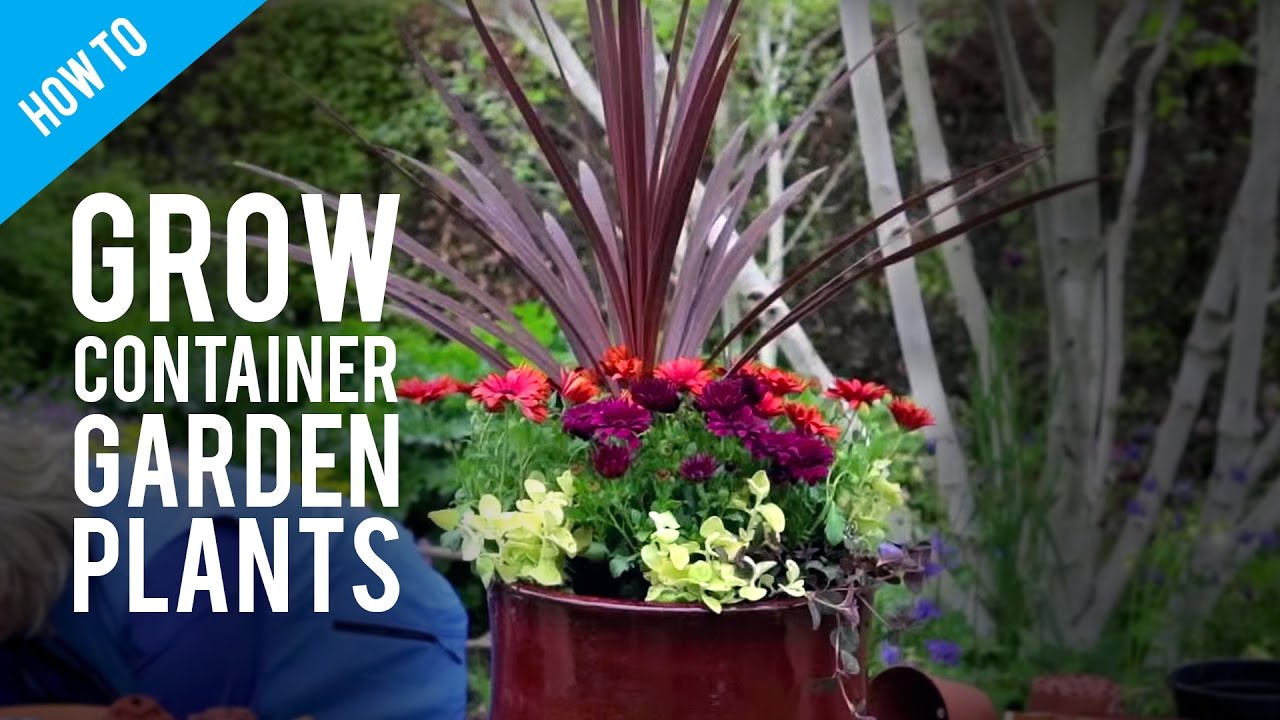
Pot vs. Flowerpot: Decoding Plant Container Types
Understanding the subtle differences between various plant containers is key not only for successful gardening but also for mastering those perplexing crossword puzzles. When faced with a
Plant Container Crossword Clue, answers like "POT" or "FLOWERPOT" often spring to mind, but what truly distinguishes them, and what other solutions might there be? This article delves into the world of plant containers, helping you choose the best home for your green friends and confidently tackle any related crossword challenge.
Decoding the "Plant Container Crossword Clue" Mystery
For anyone who enjoys a good crossword puzzle, the clue "PLANT CONTAINER" is a frequent visitor. The most common and concise answer is often
POT, a three-letter solution that perfectly fits many grids. However, if the clue hints at more specificity or demands a longer word,
FLOWERPOT, with its nine letters, becomes the prime candidate. But the world of plant containers, and consequently, crossword solutions, extends beyond these two.
Crossword puzzles thrive on precision, and understanding the nuances of container terminology can make all the difference. While "POT" serves as a broad, generic term, "FLOWERPOT" specifies a particular design and purpose. Sometimes, clues might lead you to less common but equally valid answers like:
- VAT: Traditionally a large container for liquids, a vat can also refer to sizable, often industrial-grade, containers repurposed or designed for large-scale planting, especially in commercial or hydroponic setups. Think robust, deep-seated cultivation.
- URN: Historically a decorative, often tall and narrow vessel for ashes or ornamental purposes, urns are frequently adapted as elegant planters for formal gardens, patios, or entryways, particularly for topiary or trailing plants that complement their classic aesthetic.
- PLANTER: A broader term than pot, "planter" often implies a more decorative, sometimes rectangular or unusually shaped container, frequently found in landscaping or home decor for holding multiple plants or larger specimens.
- TUB: Similar to a pot but often wider and shallower, tubs are excellent for growing root vegetables or small shrubs and trees.
These variations highlight the importance of letter count and context in solving crossword puzzles. For a more comprehensive look at common answers and strategies, you might find our guide on
Plant Container Crossword Clue: Solutions & Answers Guide incredibly helpful. And for those specifically looking for shorter, more frequent answers, explore
Plant Growing Container: Common Crossword Answers.
Pot vs. Flowerpot: Unveiling the Nuances
While often used interchangeably, "pot" and "flowerpot" carry distinct implications, especially when considering their design and optimal use.
The Versatile Pot
A
pot is the quintessential plant container. Its definition is broad: typically a round vessel with a flat base, historically made from materials like clay, metal, or wood, and now commonly plastic or ceramic. While the reference mentions a handle, most modern plant pots are designed for stationary use and don't feature them, or if they do, it's for very specific types like hanging baskets.
Key characteristics and uses of a general pot:
- Generality: "Pot" is an umbrella term. A flowerpot is a type of pot, but not all pots are flowerpots.
- Material Variety: From porous terra cotta that allows roots to breathe, to lightweight plastic, durable ceramic, or even innovative fabric pots, the material influences drainage, insulation, and weight.
- Versatility: Ideal for a vast array of plants—herbs, vegetables, small shrubs, succulents, and young trees. They come in every imaginable size, from tiny seed-starting pots to large containers for mature specimens.
- Drainage: While many pots have drainage holes, some decorative pots do not, necessitating the use of an inner "grow pot" or careful watering.
Pots have been integral to horticulture for millennia, evolving from simple terracotta vessels in ancient civilizations to the sophisticated designs we see today. Their primary function has always been to provide a stable, contained environment for plant growth, allowing for portability and cultivation where in-ground planting isn't feasible.
The Specialized Flowerpot
A
flowerpot, by definition, is a container specifically designed with flowers in mind. The defining feature, as highlighted in our reference, is the frequent presence of
drainage holes in the bottom. While many general pots also feature drainage, it's an almost universal and critical characteristic for flowerpots, reflecting the specific needs of flowering plants.
Key characteristics and uses of a flowerpot:
- Purpose-Built: Engineered to provide optimal conditions for flowering plants, which often require consistent moisture without waterlogging, to prevent root rot and promote vibrant blooms.
- Crucial Drainage: Drainage holes are paramount. They prevent standing water, which can suffocate roots and encourage fungal diseases. Saucers or trays are often used underneath to catch excess water.
- Aesthetics: Flowerpots often lean towards more decorative designs, colors, and textures, intended to complement the beauty of the blossoms they hold. They are frequently used as display pieces on windowsills, patios, and balconies.
- Material Considerations: While plastic and ceramic are common, terra cotta remains a favorite for flowering plants due to its porous nature, which aids in air circulation and moisture evaporation, mimicking natural soil conditions.
Choosing a flowerpot over a general pot often comes down to the plant's specific needs and your aesthetic preferences. For delicate blooms or plants prone to root issues, a dedicated flowerpot with excellent drainage is usually the safer and more beneficial choice.
Beyond the Basics: Other Plant Container Types (and Crossword Curveballs)
While "pot" and "flowerpot" cover the most common ground, the world of plant containers is much richer, offering solutions for every gardening scenario.
*
Planters: These are often larger, more decorative containers, sometimes rectangular or oval, designed to hold multiple plants or larger specimens. They can be made from wood, metal, concrete, or composite materials and are popular for creating mini-gardens on patios or balconies.
*
Window Boxes: Specifically designed to attach to windowsills, these are elongated containers perfect for displaying a row of flowers or herbs, bringing greenery to eye level.
*
Hanging Baskets: Suspended from hooks or brackets, these circular containers are fantastic for trailing plants, adding vertical interest and splashes of color to outdoor spaces. They often incorporate a liner (like coir or moss) to help retain moisture.
*
Grow Bags (Fabric Pots): A modern innovation, these breathable fabric containers offer superior air pruning of roots, preventing circling and promoting a healthier root system. They are lightweight, reusable, and excellent for vegetables and plants that benefit from good aeration.
*
Raised Beds: While not a "pot" in the traditional sense, a raised bed functions as a large, contained growing area, providing excellent drainage and control over soil quality.
It's worth noting that crossword clues can sometimes be trickier. For instance, a clue like "Plant in a container like this" might unexpectedly lead to the name of a plant that is commonly grown in a specific type of container, rather than the container itself (e.g., ACANTHUS, which refers to a genus of flowering plants). This highlights the need to always consider the exact wording and letter count of the clue.
Practical Tips for Choosing the Right Plant Container
Selecting the ideal plant container is a crucial step in ensuring your plants thrive. Here are some actionable tips:
1.
Prioritize Drainage: This cannot be stressed enough. Most plants require adequate drainage to prevent root rot. If a decorative pot lacks holes, use a grow pot inside it and remove excess water from the bottom.
2.
Consider Material:
- Terra Cotta: Porous, excellent for plants that prefer drier soil (succulents, herbs) or those prone to root rot. Dries out quickly, requiring more frequent watering.
- Plastic: Lightweight, inexpensive, retains moisture well. Ideal for moisture-loving plants. Can degrade in strong sunlight over time.
- Ceramic/Glazed Pots: Decorative, heavy, good moisture retention. Less breathable than terra cotta.
- Fabric Pots: Excellent for aeration and root health. Lightweight and portable.
- Wood: Natural look, good insulation. Needs to be treated for longevity and rot prevention.
3.
Match Size to Plant: Choose a container that's proportional to your plant's current size and its mature growth potential. Too small, and roots become pot-bound; too large, and the soil might retain too much moisture, hindering growth. As a general rule, upgrade to a pot that is 1-2 inches larger in diameter.
4.
Think About Aesthetics: The container should complement both the plant and its surroundings. Consider color, texture, and style.
5.
Indoor vs. Outdoor: Indoor plants often require saucers to protect furniture. Outdoor containers need to withstand varying weather conditions and might benefit from heavier materials to prevent tipping.
6.
Weight and Portability: If you need to move your plants frequently, opt for lighter materials like plastic or fabric. Heavy ceramic or concrete pots are best for permanent placements.
7.
Insulation: For plants sensitive to temperature fluctuations, especially in extreme climates, choose materials like wood or thick-walled ceramic that offer better insulation.
Conclusion
From solving a cryptic
Plant Container Crossword Clue to cultivating a flourishing garden, understanding the specific characteristics and optimal uses of different plant containers is incredibly valuable. While "pot" serves as a versatile general term, "flowerpot" highlights the critical need for drainage for vibrant blooms. Beyond these two, a rich variety of containers—from vats and urns to planters and grow bags—cater to diverse horticultural needs and aesthetic preferences. By considering drainage, material, size, and purpose, you can confidently select the perfect home for every plant, ensuring their health and enhancing the beauty of your space. So, the next time you encounter a crossword clue or head to the garden center, you'll be well-equipped to make an informed choice.